How to Prepare Your Roof for the Missouri Storm Season

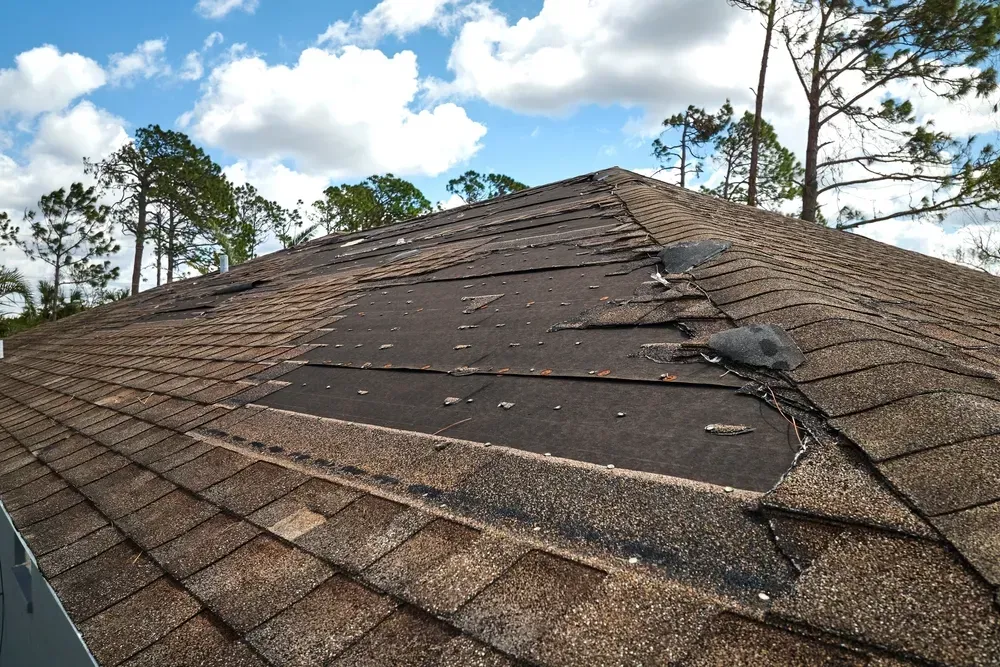
Thunderstorms, hail, and high winds visit Missouri each spring and summer. As a result, many roofs in Chesterfield suffer loose shingles, leaks, and water stains after the first big cloudburst. Without a plan, small cracks grow into soaked insulation and sagging ceilings.


This post shows practical steps to shield your roof before the next front rolls through. You'll learn how early checks, smart upgrades, and fast fixes keep repair bills low. We'll share
roof preparation guidelines, expert storm-ready roofing tips, and a handy checklist you can save for later. Read on!


Start with a Safe Roof Inspection

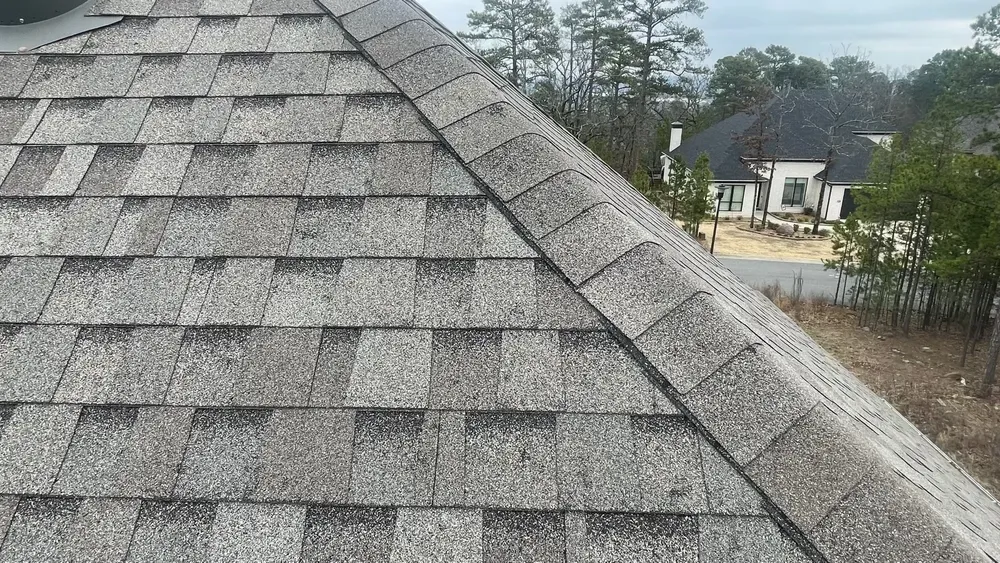
Step one is a detailed look from both the ground and the attic. Use binoculars to scan for missing shingles, warped decking, or rusted flashing. Indoors, check rafters for damp spots or daylight peeking through.


Note issues in a notepad, then call trusted
Roofing Contractors in Chesterfield, MO, for anything beyond your ladder's reach. Early detection costs far less than emergency tarps after a hailstorm. Make the inspection a habit each March and again after the strongest summer squalls.


Clear Debris and Improve Drainage

Leaves, twigs, and seed pods trap moisture under shingles and clog gutters. Here's what we recommend:


  • Set aside time to sweep the roof surface with a soft-bristle broom.
  • Wear rubber-soled shoes and work on a dry, calm day.
  • Flush each gutter run with a garden hose until water flows clean and fast from downspouts.
  • Add gutter guards if nearby trees drop heavy litter.


Good drainage keeps weight off the roof and stops water from backing up under the edge during driving rain.


Secure Shingles and Flashing

Loose shingles lift in high winds and invite leaks. In these cases, you should replace cracked tabs and drive roofing nails flush with the deck. Use a dab of asphalt sealant under each lifted corner. Check flashing around chimneys, skylights, and sidewalls; tighten screws and reseal seams with polyurethane caulk.


For roofs with older three-tab shingles, consider adding wind clips along the eaves for extra grip. Solid fasteners now mean fewer midnight calls to tarp crews when sirens sound across St. Louis County.


Upgrade to Storm-Resistant Materials

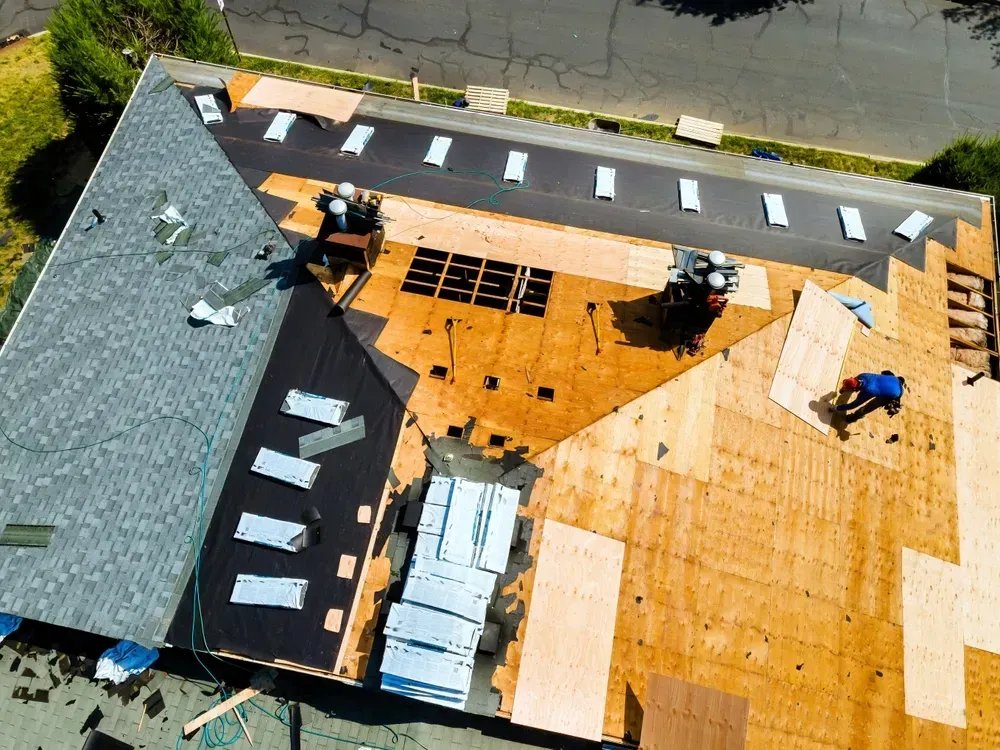
Are you thinking about replacement? Choose Class 4 impact-rated shingles that shrug off hailstones. Metal drip edge, ice-and-water shield, and high-profile ridge caps also raise defense levels. Ask your contractor about ring-shank nails that grip wood tighter than smooth shanks.


These small upgrades may even lower insurance premiums. More importantly, they stretch the lifespan of your investment. Ask your local roofer for
storm-ready roofing tips checklist to compare product labels before you buy.


Create an Emergency Action Plan

A clear plan can make all the difference when you're facing a heavy storm. Here are some steps you can take:


  • Store tarps, 2x4s, nails, a hammer, and a cordless drill in a dry garage corner.
  • Keep the contact number of a reliable service saved in your phone.
  • Review the plan with the family so everyone knows how to shut off the power if water starts dripping near electrical lines.
  • Photograph the roof and attic now; dated images help prove damage for claims later.

Trust AMP Restoration and Roofing When Storms Strike

AMP Restoration and Roofing has protected Chesterfield roofs for more than a decade. Our certified crews blend local know-how with premium materials to deliver repairs, replacements, and maintenance that outlast Midwest weather.


Whether you need a minor shingle fix or a full rebuild, we guide you from inspection to final walkthrough. Our team handles claims paperwork, meets adjusters on-site, and updates you daily. Choose our
roof preparation in Chesterfield, MO, and work with professionals who treat your home like their own.


CONTACT US TODAY


You might also like

By Amp Roofing January 21, 2026
Measuring a roof looks easy, but it has its challenges. People often guess instead of doing the math, and that guess can cost real money during repairs or upgrades . Waste on extra shingles or short orders delays a project, leaves patchy colors, and strains the budget. This post solves that problem. You’ll learn how to calculate roof area with pitch in clear steps, pick the right tools, and check your answer with simple charts. By the end, you’ll feel confident ordering materials or speaking with a contractor. Keep reading to turn numbers into a solid roof plan. Why Roof Area Matters Roofing materials are sold by the square foot, so every square foot counts. Over-ordering raises cost, and under-ordering adds labor trips. An accurate area also lets you compare quotes with fair numbers. When you know the math, you can see if a bid pads material or labor. A true area figure can even impact insurance coverage and claims, as adjusters require proof. Gather Your Roof Data Tools Needed 100-foot tape or digital laser Sturdy ladder and shoes with grip Pitch gauge or smartphone inclinometer Notepad, pencil, and calculator Measure the Deck Sketch each roof section from the ground. Mark eaves, ridges, valleys, and hips. Measure the horizontal length and width of every rectangle or triangle. Stay on the ground when possible; use the ladder only for hard angles. Write numbers on the sketch right away to avoid confusion later. Use Basic Geometry First Start flat. Treat every roof section as if it were lying on the ground. Multiply length by width for rectangles. For triangles, multiply the base by the height and divide by two. Add all shapes together. This gives you the plan area, also called the footprint. Next, convert the plan area to square feet of covered surface. A flat roof needs no more math. Pitched roofs require an adjustment, and that’s where roof pitch degrees become crucial. Adjust for Pitch Roof pitch shows rise over run. A 6-in-12 roof rises six inches for every twelve inches of run. Builders often refer to this standard pitch for roofs on modern homes. Pitch changes the surface area because the slope is longer than the plan footprint. Convert Pitch to a Slope Factor Find your pitch with a gauge, app, or by placing a level and ruler on the roof. Turn the pitch into an angle. Use online charts that list roof pitch degrees for common ratios. For instance, a 6-in-12 equals 26.6°. Use the slope factor formula: 1 ÷ cos θ. For 26.6°, the factor is 1.12. Multiply the plan area by this factor. You now have true roof area. Check Common Pitch Scenarios “What is a 6 / 12 roof pitch?” You already saw it: a 6-inch rise over a 12-inch run, at 26.6°, with a factor of 1.12. Say your plan area is 1,800 ft². Multiply: 1,800 × 1.12 = 2,016 ft². Mention this aspect when ordering materials so suppliers know your slope. Low Pitch and Steep Pitch A roof with a pitch of less than 3-in-12 meets the low-pitch definition . These roofs shed water more slowly and need special membranes. They also have a smaller slope factor, so a plan area of 1,800 ft² with a 2-in-12 pitch (9.5°) uses a factor of 1.01, only 1,818 ft². Building codes may require enhanced underlayment any time a design falls into the low-pitch definition category. At the other end, an 11 12 pitch roof rises eleven inches per foot, angle 42.5°, factor 1.35. The same 1,800 ft² footprint becomes 2,430 ft² on the slope. Because walking on an 11 12 pitch roof borders on climbing, contractors often add safety costs to their estimates. Metal Roofing Pitch Transition Switching from shingles to metal often involves a transition from a shingle to a metal roofing pitch . Contractors may reduce the drop from 6-in-12 to 3-in-12 over a porch to match the style or improve drainage. Calculate each section separately, then add the totals. Mention metal roofing pitch transition during design so flashing and trim match both slopes. Remember that many builders treat a 6-in-12 as the standard pitch for a roof , so material quotes frequently default to that assumption. Double-Check Your Math Compare your total against satellite measurement apps. Re-measure key sections if numbers differ by more than 2 %. Ask a trusted roofer to confirm the area before ordering. Most will verify for free while preparing a quote. Accuracy here prevents waste, keeps schedules tight, and supports warranties. Roofing Expertise You Can Trust  AMP Restoration & Roofing knows roofs inside and out. Our team utilizes high-quality tools and on-site inspections to verify every square foot. We don’t guess; we prove. We then recommend materials that match your style, budget, and local building codes. The result is a roof that lasts, drains well, and boosts curb appeal. Clients stay informed at each step, from the first call to the final nail. That’s because we build the plan together, using clear numbers and easy language. Whether you’re curious about how to calculate roof area with pitch or want us to handle the job from start to finish, we’re here to help. Choose AMP Restoration and Roofing for precision and peace of mind! CONTACT US TODAY
Two-story house with gray weathered cedar siding
By Amp Roofing January 7, 2026
Discover the pros, cons, and smart alternatives to traditional wood siding. Learn why synthetic cedar shakes offer a timeless look with better durability.
Attic skylight. Asphalt Shingles House Roofing Construction with Attic Roof windows, skylights water
By Amp Roofing January 7, 2026
Thinking about replacing your skylights? Learn about the different types of skylight windows and expert tips for choosing the right replacement. See more.
More Posts

Book a Service Today