5 Signs Wind Damage Has Compromised Your Roof
High winds strike fast without warning and leave quiet clues when they pass. With a closer look, you'll soon notice that shingles shift, metal parts loosen, and water finds new paths. Many people miss the early hints until a small leak becomes a big one.
This post walks you through the most common issues, why they matter, and
how to act fast. You will also learn when to call a pro and how
AMP Restoration & Roofing can help. Keep reading to keep storms from emptying your wallet.
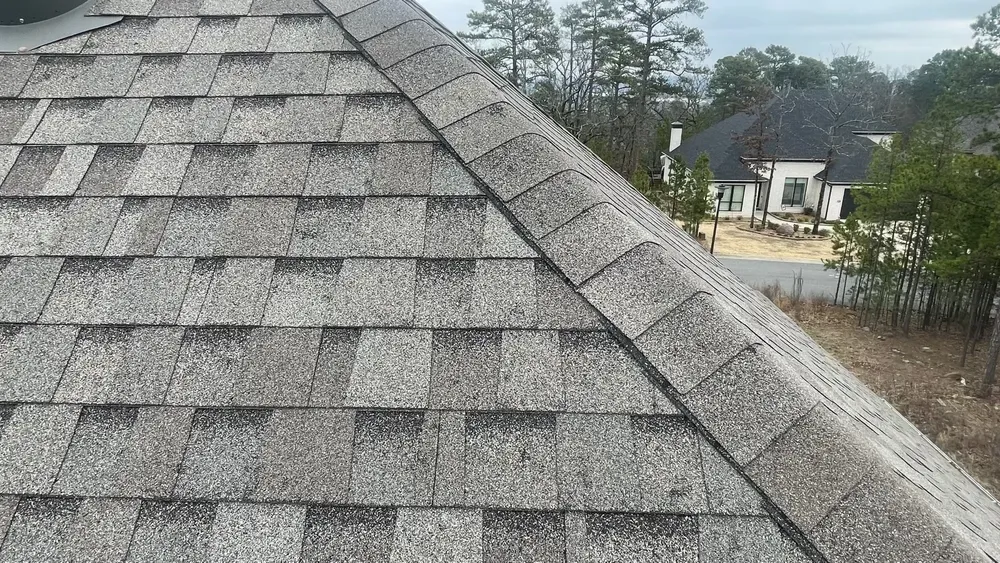
1. Shingles Curl, Crack, or Go Missing
Strong gusts pry shingles away from the decking. Once the seal breaks, the next storm lifts them like pages in a book.
Quick Check
- Stand on the ground with binoculars.
- Look for edges that curl upward.
- Spot areas where tabs have snapped.
- Note any bare patches on the roof.
These surface flaws rank among
the most common signs of wind damage on roofs. If you notice any damage to the edges, act before rain soaks the underlayment.
2. Flashing Gets Bent or Loose
Flashing protects joints around chimneys, vents, and walls. Winds over 45 mph can twist thin metal. Even a small gap sends water straight under the shingles. This water creeps along rafters and stains ceilings.
Why It Matters
- Moist wood sags, and mold grows fast.
- Rust spreads on nails and nearby metal.
- Repairs cost less when caught early.
Spotting bent flashing is one of the clearest
signs of wind damage to roof structures. Replace or reseal it soon to avoid bigger repairs.
3. Granules Pile Up in Gutters
Granules shield shingles from UV rays. Wind-driven debris scrapes them off and sweeps them into gutters. A handful of granules is normal after a new install, but thick piles signal trouble.
How to Measure Loss
- Place a sheet of paper in the bottom of the gutter.
- Flush a small area with a hose.
- Collect the granules and weigh them.
- More than a cup per ten feet raises concern.
Heavy loss often accompanies
missing shingles after windstorm events. Schedule a
roof wind damage inspection if you see both issues.
4. Leaks and Stains Show Indoors
Water marks on ceilings or walls appear long after the first lift of a shingle. Warm indoor air meets cool attic air, forming condensation that hides behind paint.
Red Flags
- Yellow rings on drywall.
- Peeling paint near roof joints.
- Musty smells in upper rooms.
These are late-stage
signs of wind damage to roofs. Fixing leaks quickly reduces the risk of needing to replace insulation or drywall.
5. Light Shows in the Attic
Step into the attic on a sunny day and turn off all lights. If you see daylight poking through boards, the wind has lifted shingles and nails.
Simple Steps
- Mark each light point with chalk.
- Check outside for broken or missing tabs.
- Seal small holes with roofing cement as a stopgap.
Persistent gaps often persist after windstorm events, leaving missing shingles. Book a
roof wind-damage inspection to identify every weak spot.
Safe Ways to Check Without Climbing
You can spot many problems safely from the ground. Here are some ideas you can try:
Binoculars: Use them to scan shingles and flashing, but try to stand clear of power lines- Drone (camera): It’s perfect to capture overhead images as long as you follow local flight rules
- Garden hose: Use it to test suspect spots for leaks| Avoid wetting power cables |
If ground checks still leave doubts about
how to tell if wind damaged your roof, call a licensed roofer. A pro can confirm hidden faults and give a fair quote.
Choose Expert Help and Rest Easy
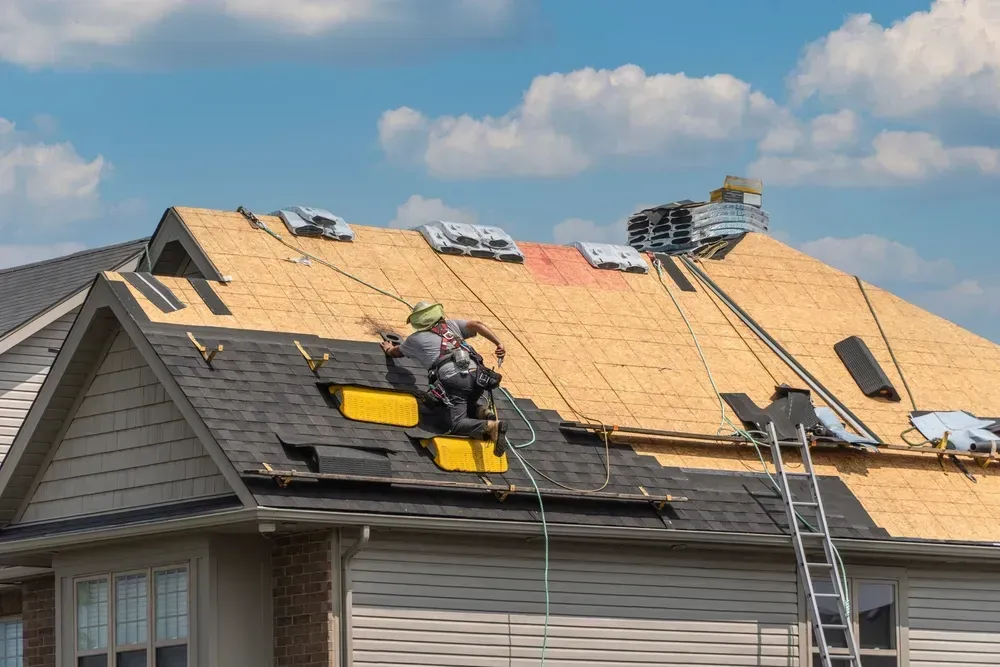
AMP Restoration & Roofing knows wind better than most. Our crews study wind lift patterns, use high-grade sealants, and replace damaged parts the same day when possible. We also handle insurance claims, saving you hours of calls and forms.
We back every repair with a strong warranty and clear photos before and after the job. When you need a fast, honest partner, we stand ready with tools in hand. Count on us to shield your home!
You might also like