7 Clear Signs Your Commercial Building Needs a New Roof in Chesterfield

Running a business keeps you busy enough without roof problems stealing the spotlight. But when small roof issues appear, they can quickly lead to leaks, safety risks, and spiraling costs. That's why knowing when to act makes all the difference.


This post shows the key clues a roof gives before failure strikes. Let's dive into the top
commercial roof replacement signs in Chesterfield, MO, from leaks and energy spikes to ponding water. Stay with us for practical tips, proven inspection steps, and links to trusted help.


1. Leaks and Water Stains

Nothing signals trouble like water on the floor or brown rings on ceiling tiles. Moisture slips through seams, vents, and damaged flashing, then soaks insulation and drywall.


What to Check

  • Stains near HVAC curbs or skylights
  • Drips after light rain, not only heavy storms
  • Musty smells in corners or storage rooms


Act fast when you see these hints. Waiting lets mold spread and weaken the deck below.


2. Cracks, Blisters, and Bare Membrane

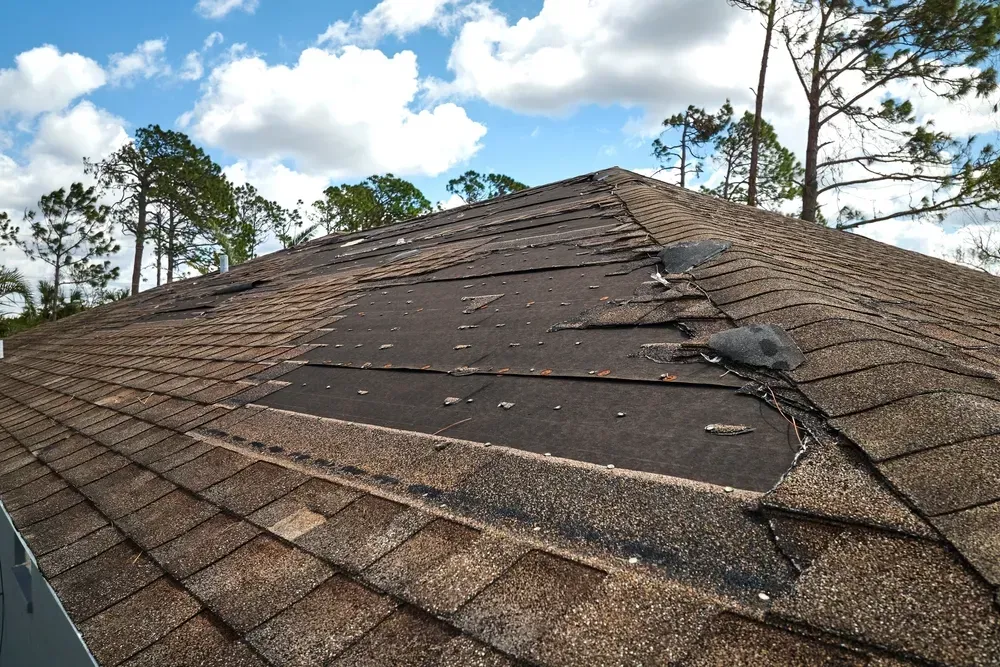
Surface damage often stays hidden from the ground. Regular rooftop walks reveal bubbling, split seams, or missing granules. These flaws expose the waterproof layer to UV rays and snow.


Why This Matters

  1. Cracks widen with each freeze-thaw cycle.
  2. Blisters trap moisture, which erodes the membrane.
  3. Bare spots age five times quicker than coated areas.

3. Sky-High Energy Bills

A failing roof lets conditioned air leak out and outside air barge in. HVAC systems run longer to keep tenants comfortable, sending utility invoices through the roof—literally.


Quick Diagnostic Steps

  • Compare this quarter's bills with last year's.
  • Use an infrared scan to view insulation gaps.
  • Note temperature swings between the top and lower floors.


Repair may help, but persistent spikes hint that the roof's R-value has dropped past the point of easy fixes.


4. Ponding Water on Flat Surfaces

Flat roofs need slight slopes to drain. When drains clog or insulation settles, water pools longer than 48 hours. Those puddles lead to membrane rot, algae growth, and added weight. You might notice:


  • Birds using pools as baths
  • Reflections of the sky on calm days
  • Dull or soft spots around standing water


If you see these
flat roof warning signs in MO, schedule an inspection before the next storm doubles the load.


5. Age and Warranty Limits

Most commercial systems last 20–25 years. Weather, foot traffic, and past repair quality can shorten that life. Once the warranty ends, costs shift fully to you.


Age-Related Red Flags

  • Frequent leak calls despite patching
  • Sealant cracking along parapet walls
  • Rust on metal fasteners and edge trim


When repairs reach 20% of replacement cost, experts advise planning for a new roof instead of another patch.


6. Interior Mold or Mildew Growth

Sometimes the roof doesn’t show its age from the outside—it shows it in your walls and ceilings. When leaks go unnoticed, trapped moisture creates a perfect breeding ground for mold and mildew. 


Look Out For:

  • Dark spots or fuzzy growth along walls or ceiling corners
  • Allergy-like symptoms in occupants (coughing, itchy eyes, congestion)
  • Peeling paint or bubbling drywall

7. Frequent Repairs and Patchwork

If you're calling your roofer more than your coffee supplier, it's time to take a closer look. Ongoing repairs, even small ones, signal that the system may be at the end of its service life. Each new patch adds cost but may no longer add value.


Signs You’re in a Repair Loop:

  • Repeat service calls for leaks in the same general area
  • Noticeable seams from past patches or incompatible materials
  • Escalating maintenance invoices are eating into your budget

Your Next Step to a Dry, Efficient Building

AMP Restoration and Roofing stands ready to assess, design, and install a fresh system that shields your business for decades. We handle TPO, EPDM, metal, and more, always following local code and manufacturer specs. Our team explains options in clear language and keeps projects on schedule and budget.


With us, you can expect seasoned crews, transparent updates, and warranties that boost your asset's value. We back every project with post-install inspections and a dedicated account manager who knows your site. Explore how our
Commercial Roofing solutions reduce operational headaches and support your bottom line.


CONTACT AMP TODAY


You might also like

By Amp Roofing January 21, 2026
Measuring a roof looks easy, but it has its challenges. People often guess instead of doing the math, and that guess can cost real money during repairs or upgrades . Waste on extra shingles or short orders delays a project, leaves patchy colors, and strains the budget. This post solves that problem. You’ll learn how to calculate roof area with pitch in clear steps, pick the right tools, and check your answer with simple charts. By the end, you’ll feel confident ordering materials or speaking with a contractor. Keep reading to turn numbers into a solid roof plan. Why Roof Area Matters Roofing materials are sold by the square foot, so every square foot counts. Over-ordering raises cost, and under-ordering adds labor trips. An accurate area also lets you compare quotes with fair numbers. When you know the math, you can see if a bid pads material or labor. A true area figure can even impact insurance coverage and claims, as adjusters require proof. Gather Your Roof Data Tools Needed 100-foot tape or digital laser Sturdy ladder and shoes with grip Pitch gauge or smartphone inclinometer Notepad, pencil, and calculator Measure the Deck Sketch each roof section from the ground. Mark eaves, ridges, valleys, and hips. Measure the horizontal length and width of every rectangle or triangle. Stay on the ground when possible; use the ladder only for hard angles. Write numbers on the sketch right away to avoid confusion later. Use Basic Geometry First Start flat. Treat every roof section as if it were lying on the ground. Multiply length by width for rectangles. For triangles, multiply the base by the height and divide by two. Add all shapes together. This gives you the plan area, also called the footprint. Next, convert the plan area to square feet of covered surface. A flat roof needs no more math. Pitched roofs require an adjustment, and that’s where roof pitch degrees become crucial. Adjust for Pitch Roof pitch shows rise over run. A 6-in-12 roof rises six inches for every twelve inches of run. Builders often refer to this standard pitch for roofs on modern homes. Pitch changes the surface area because the slope is longer than the plan footprint. Convert Pitch to a Slope Factor Find your pitch with a gauge, app, or by placing a level and ruler on the roof. Turn the pitch into an angle. Use online charts that list roof pitch degrees for common ratios. For instance, a 6-in-12 equals 26.6°. Use the slope factor formula: 1 ÷ cos θ. For 26.6°, the factor is 1.12. Multiply the plan area by this factor. You now have true roof area. Check Common Pitch Scenarios “What is a 6 / 12 roof pitch?” You already saw it: a 6-inch rise over a 12-inch run, at 26.6°, with a factor of 1.12. Say your plan area is 1,800 ft². Multiply: 1,800 × 1.12 = 2,016 ft². Mention this aspect when ordering materials so suppliers know your slope. Low Pitch and Steep Pitch A roof with a pitch of less than 3-in-12 meets the low-pitch definition . These roofs shed water more slowly and need special membranes. They also have a smaller slope factor, so a plan area of 1,800 ft² with a 2-in-12 pitch (9.5°) uses a factor of 1.01, only 1,818 ft². Building codes may require enhanced underlayment any time a design falls into the low-pitch definition category. At the other end, an 11 12 pitch roof rises eleven inches per foot, angle 42.5°, factor 1.35. The same 1,800 ft² footprint becomes 2,430 ft² on the slope. Because walking on an 11 12 pitch roof borders on climbing, contractors often add safety costs to their estimates. Metal Roofing Pitch Transition Switching from shingles to metal often involves a transition from a shingle to a metal roofing pitch . Contractors may reduce the drop from 6-in-12 to 3-in-12 over a porch to match the style or improve drainage. Calculate each section separately, then add the totals. Mention metal roofing pitch transition during design so flashing and trim match both slopes. Remember that many builders treat a 6-in-12 as the standard pitch for a roof , so material quotes frequently default to that assumption. Double-Check Your Math Compare your total against satellite measurement apps. Re-measure key sections if numbers differ by more than 2 %. Ask a trusted roofer to confirm the area before ordering. Most will verify for free while preparing a quote. Accuracy here prevents waste, keeps schedules tight, and supports warranties. Roofing Expertise You Can Trust  AMP Restoration & Roofing knows roofs inside and out. Our team utilizes high-quality tools and on-site inspections to verify every square foot. We don’t guess; we prove. We then recommend materials that match your style, budget, and local building codes. The result is a roof that lasts, drains well, and boosts curb appeal. Clients stay informed at each step, from the first call to the final nail. That’s because we build the plan together, using clear numbers and easy language. Whether you’re curious about how to calculate roof area with pitch or want us to handle the job from start to finish, we’re here to help. Choose AMP Restoration and Roofing for precision and peace of mind! CONTACT US TODAY
Two-story house with gray weathered cedar siding
By Amp Roofing January 7, 2026
Discover the pros, cons, and smart alternatives to traditional wood siding. Learn why synthetic cedar shakes offer a timeless look with better durability.
Attic skylight. Asphalt Shingles House Roofing Construction with Attic Roof windows, skylights water
By Amp Roofing January 7, 2026
Thinking about replacing your skylights? Learn about the different types of skylight windows and expert tips for choosing the right replacement. See more.
More Posts

Book a Service Today