Identify Your Roof: Visual Guide to Common Roof Shapes and Styles
Roof talk can feel confusing. Leaks, drafts, and high energy bills often trace back to the wrong style choice or poor upkeep. You may stand in your yard, crane your neck, and ask, “Which roof style protects my place best?” The good news is that a little knowledge saves time, money, and stress.
This post breaks down the most popular
roof shapes and names in clear terms. You’ll learn key features, pros, and watch-outs. By the end, you’ll spot a roof style from the curb and know if it suits your climate, budget, and taste. Let’s climb in.
1. Gable Roofs: The Classic Triangle
Fast Facts
- Two sloping planes meet at a ridge.
- Forms a sharp “A” seen on many homes across the United States.
- Allows wide attic space and strong airflow.
Perks
- A simple frame keeps labor costs low in the long term.
- Steep pitch sheds rain and snow fast.
- Flexible look fits modern and traditional exteriors.
Things to Watch
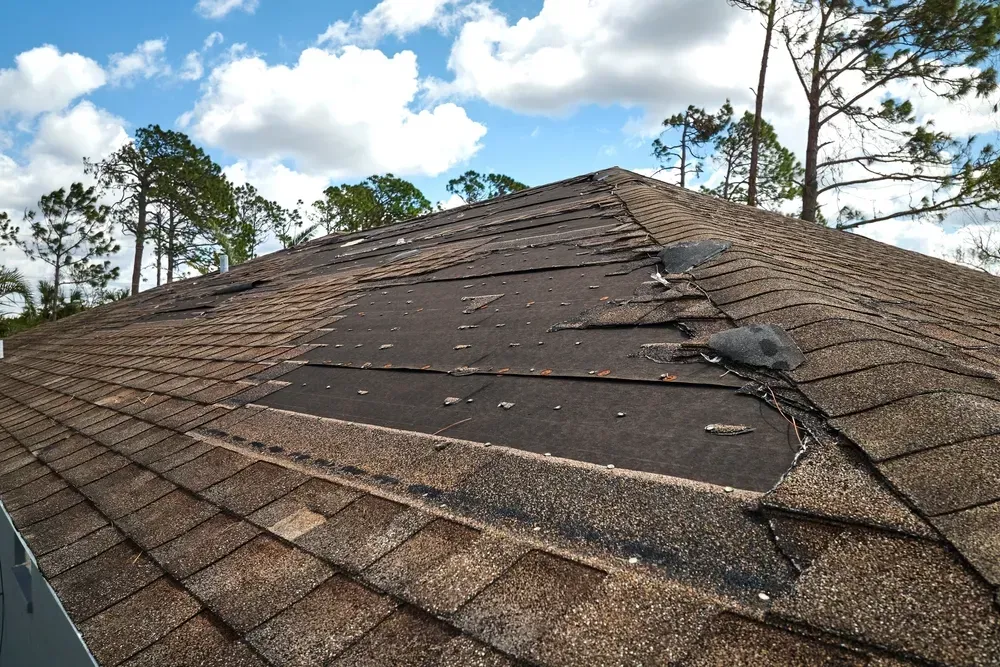
High winds may lift the eaves if they lack bracing. Ask a pro, “What does a gable roof look like up close after a storm?” You’ll spot torn shingles or lifted decking near the ridge. When you know what your roof should look like, you can spot damage early.
2. Hip Roofs: All Sides Downhill
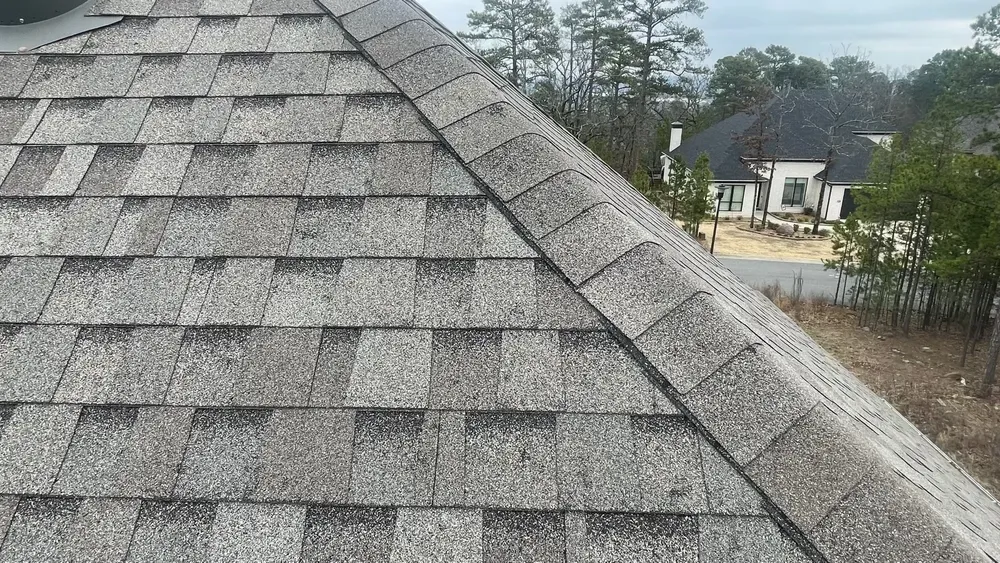
A hip-type roof slopes on every side, ending in a gentle peak. That design spreads wind force and offers built-in shade along all walls.
Main Advantages
- Strong resistance to hurricanes and straight-line winds.
- Eaves wrap around the building, guarding windows and siding.
- Clean lines boost curb appeal.
Keep in Mind
Cut valleys in a hip-type roof need careful waterproofing. Request metal flashing plus high-grade underlayment.
The Many Faces of Hip Designs
Below is a quick guide to the most common
types of hip roofs.
| Hip Style | Key Feature | Best Use Case |
|---|---|---|
| Simple Hip | Four equal slopes meet at one ridge | Square or rectangle plans |
| Cross Hip | Two hip sections join at right angle | L- or T-shaped buildings |
| Dutch Hip | Small gable sits atop the hip | Extra attic light |
Proper framing keeps all types of hip roofs tight and stable.
3. Shed Roofs: Modern and Minimal
Quick Overview
A shed roof uses one single plane, tilted from high to low. It often tops additions or modern builds.
Why Pick It?
- Easy to install and flash around skylights or solar panels.
- High walls yield room for tall windows.
- Low-profile cuts material waste.
Caution
The shallow side must drain well. Ice buildup on the eave can creep under the membrane. Regular snow removal stops leaks.
4. Gambrel Roofs: Barn Charm at Home
Gambrel roofs look like a folded gable. The upper slope sits gently; the lower slope drops steeply.
Benefits
- Creates a massive attic or loft space.
- Classic touch pairs well with farmhouse décor.
- Two-angle design sheds water while keeping a broad face for dormers.
Drawbacks
Heavy snow loads strain the lower joints. Add collar ties and inspect hardware each fall.
5. Flat Roofs: Urban Workhorse
Though called “flat,” these roofs hold a slight pitch, about 1/4 inch per foot, to guide water to drains.
Strengths
- Easy access for HVAC and solar arrays.
- Modern look matches city townhomes.
- Fewer shingles; membranes often last 20+ years.
Risks
Pooled water finds seams. Use a high-quality elastomeric coating and clear debris after storms.
Choosing the Right Roof Shape
Consider these points before you decide:
Weather: Steep roofs suit heavy snow; low-profile roofs do well in arid zones.- Budget: Simple gables cost less than hips because they require fewer cuts.
- Space Goals: Need a loft? Gambrel wins. Want a sleek great room? Shed shines.
- Curb Appeal: Match neighborhood style or aim for a statement piece.
Use the two-step method: list
climate demands, then match them with
roof shapes and names that meet those needs. A licensed roofer can refine the pick.
Why Professional Input Matters
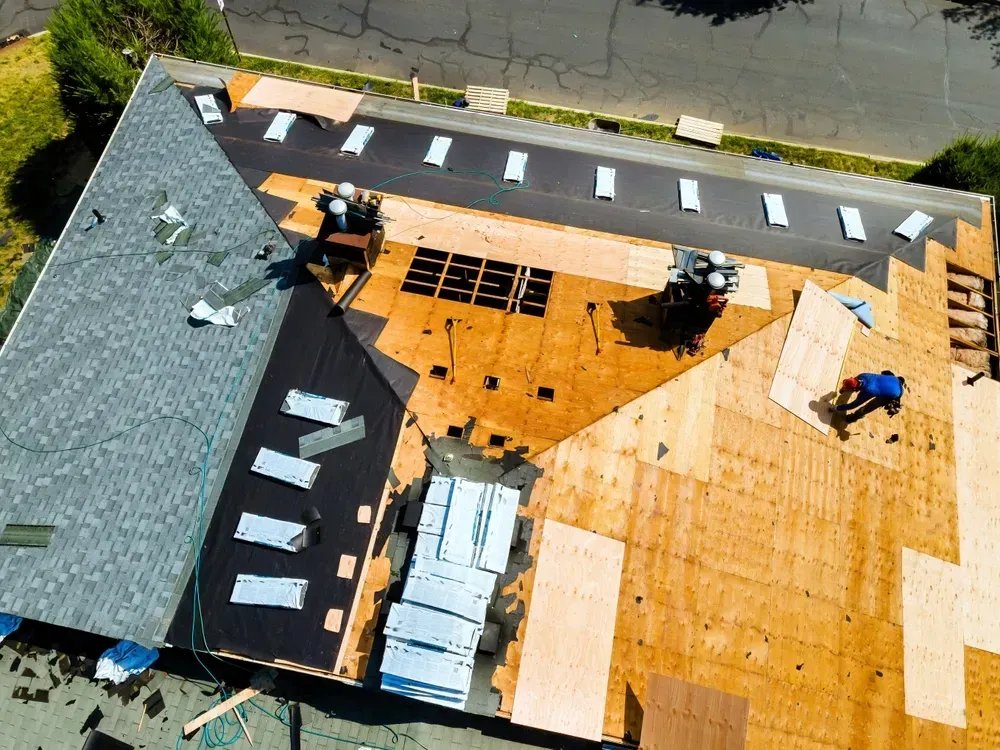
DIY research helps, yet framing angles, load paths, and local code lie beyond a quick online guide. A seasoned crew:
Calculates wind and snow loads.- Recommends vents and insulation specific to each style.
- Spots early trouble in flashing or fasteners.
Trust roofers that show you past jobs, not just brochures.
Your Roof, Our Craft: Partner With AMP Restoration and Roofing
AMP Restoration & Roofing brings years of hands-on skill to every roof style. Whether you need a new gable, a fortified hip, or a sleek flat membrane, our team tailors the plan to your budget and weather zone. We back installations with strong warranties and a crew that cleans the site each day. Transparent quotes, punctual timelines, and open communication set us apart.
Our experts inspect and install top-tier materials and cutting-edge tools. Clients praise our clear advice and quick response. From the first call to the final nail, we keep your goals front and center. Ready to safeguard your property and boost curb appeal? Let’s start the conversation.
You might also like