Homeowner's Guide: Navigating Roof Replacement Insurance Claims
Storms, falling branches, and years of wear can turn a solid roof into a stressful liability. You may spot missing shingles or a sudden leak and wonder if your policy will help. Sorting policy language, paperwork, and deadlines frustrates many people and delays vital fixes.
This guide clears the fog around insurance roof replacement. You'll learn how to document damage, file a claim, and work smoothly with adjusters. Keep reading to see how to speed approvals, avoid common mistakes, and protect your budget. If you're unsure what to do if you have roof storm damage, the following sections break it down step-by-step.
Know Your Policy Inside Out
A clear policy review sets the stage. Check deductibles, exclusions, and local code upgrades. Confirm whether wind, hail, or falling trees fall under named perils or open perils. Knowing the fine print helps you ask the right questions when starting a claim. Ask directly, will homeowners' insurance cover a new roof if the old one suffered sudden damage?
Key Coverage Questions
- Is the roof's age a factor in payouts?
- Does the carrier use actual cash value or replacement cost?
- Will the policy cover code upgrades required by city rules?
- Are temporary repairs reimbursed?
Learn the steps to get insurance to pay for roof replacement, and repeat them at every renewal. Keeping notes from your agent conversation helps you avoid surprises later.
Spot and Record Every Sign of Trouble
A thorough inspection gives you a better chance at a successful claim. After severe weather, document shingles, vents, and gutters with date-stamped photos.
Storm Clues to Collect
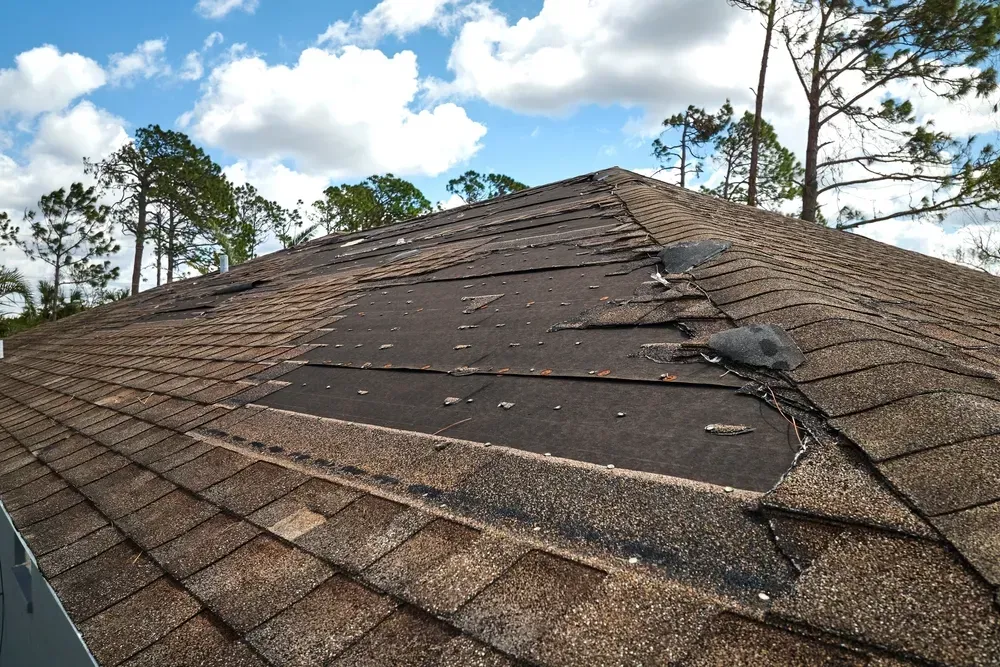
● Broken shingles, horizontal creases, and lifted edges are common signs of wind damage after a storm.
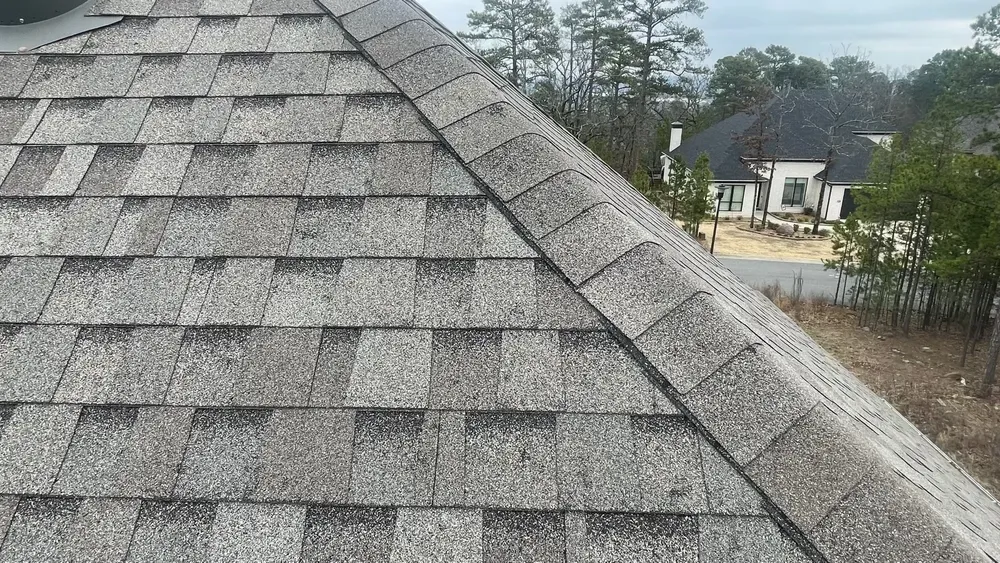
● Dark spots may show hail damage on a roof.
● Granule piles indicate granule loss, hail damage, or blistering.
How can you tell if your roof has hail damage? Compare dents on soft metals like vents, and use sidewalk chalk horizontally on flashing and other soft metal surfaces to expose hidden dents.
There's a Roof Leak, Should I Call Insurance?
If water reaches the ceiling, act fast. Snap images, then apply a roof leak temporary fix sheet. This shows diligence and prevents extra harm. Homeowners often debate whether to call their insurance company, but early notice usually saves headaches. Next, schedule a professional roof inspection, as storm damage is often the underlying cause of a leak. Afterward, speak with your insurance agent to determine whether the issue qualifies as a roof leak covered by insurance under your specific policy. Confirming coverage before paying out of pocket can help you avoid unnecessary expenses.
Move Fast: Start Your Claim
Speed matters. File within policy deadlines. All insurance carriers allow up to one year for homeowners to file a claim for storm damage, but filing a claim within 30-60 days gives the best chance at getting a full roof replacement and other additional items covered.
Step-by-Step Filing
- Call your carrier's claim department and file a claim.
- Email photos, invoices for any temporary roof-leak fix, and weather reports.
- Request a storm-damage inspection and schedule it right away.
- Keep a log of calls, names, and promised dates.
Scheduling a professional storm damage inspection, even if the roof looks fine from the ground, can uncover hidden punctures and keep the file moving.
The Inspection Day
An adjuster or third-party storm damage inspector will visit. Have your preferred roofing contractor walk with them and show your photos.
Must-Show Points
● Nail pops or lifted shingles from gusts highlight the need for roof wind damage repair.
● Bruised shingles confirm hail damage roof replacement justification.
● Bent flashing after limbs proves your insurance claim roof damage is valid.
● Split ridge caps indicate roof damage from storm events.
Locals often hire a storm damage roof replacement company to meet the adjuster. Their professional details strengthen storm damage claims and speed the insurance process.
Temporary Protection and Repairs
Policy language demands that you prevent further harm. Lay tarps or patch holes.
- Use plastic cement to fix a leaking roof temporarily.
- Tarp large gaps after a tree falls; your carrier usually handles the paperwork.
- Replace a few shingles if safe; mark them for the adjuster so they know you did a roof storm damage assessment.
Keep receipts so the carrier reimburses every dollar. This diligence supports the broader hail damage insurance claim process and keeps the file active.
Choosing the Right Contractor
After approval, pick a certified roofer who is familiar with the area's codes. AMP Restoration and Roofing offers free roof inspection after the storm and guides you through paperwork until the final check clears.
Why AMP?
● Fast arrival for storm damage inspection.
● Deep knowledge of roof wind damage and roof hail damage repair methods and materials.
● They honor the insurance carrier's estimate for a full roof replacement.
● Help to replace the damaged roof under tight timelines.
● In-house supplementers review the insurance scope to ensure accuracy of funds and damaged items.
AMP Restoration and Roofing: Making Claims Simple
AMP Restoration and Roofing leads the region in reliable solutions and transparent guidance. Our insurance experts handle insurance roof replacement projects from start to finish, whether you're dealing with wind, hail, or tree limbs. We photograph every square foot, explain findings in plain language, and communicate with adjusters until results match real repair needs.
You can count on our craftsmanship, lifetime shingle options, and honest timelines. Our crew offers emergency tarping, full wind and hail damage roof replacement, and clear invoicing that aligns with carrier formats. When your policy calls for action, AMP stands beside you, ensuring fair settlements and a roof built to last. Let's work together to protect your home!
FAQ Quick Hits
How to get insurance to pay for roof replacement
Repeat the carrier's filing steps, show prompt mitigation, and use a certified roofer's report.
What types of roof leaks are covered by my insurance?
Sudden strom events or “Acts of God," usually qualify. Long-term neglect rarely does.
How to document for your roof storm damage assessment
Combine drone photos, attic checks, and moisture scans for a complete file.
What's the difference between granule loss hail damage vs blistering?
Hail leaves random dents; heat blisters create smooth, raised bumps.
What is considered hail damage on a roof?
Dime-sized dings in shingles, gutters, and siding confirm impact.
Does homeowners' insurance cover tree damage?
Yes, if the tree hits a covered structure during a storm.
What does hail damage look like on roof shingles
Dark bruises, exposed matting, and shattered granules.
You might also like