How to Tell If Your Roof Has Hail Damage

After a heavy storm, spotting a broken window or fallen branch is easy. But your roof might be holding damage you can't see from the ground. Hail can leave dents, bruises, and cracks that lead to leaks later. Acting quickly helps prevent costly repairs.


This blog breaks down how to spot
hail damage early. You'll learn what signs to look for, why a hail-damaged roof inspection matters, and when to call in the pros. Keep reading to stay ahead of future problems and protect your home.


Check Before It Gets Worse

Even small hailstones can cause big problems. Look for these signs after a storm to spot damage early and stay on top of repairs.


Shingle Trouble Is a Red Flag

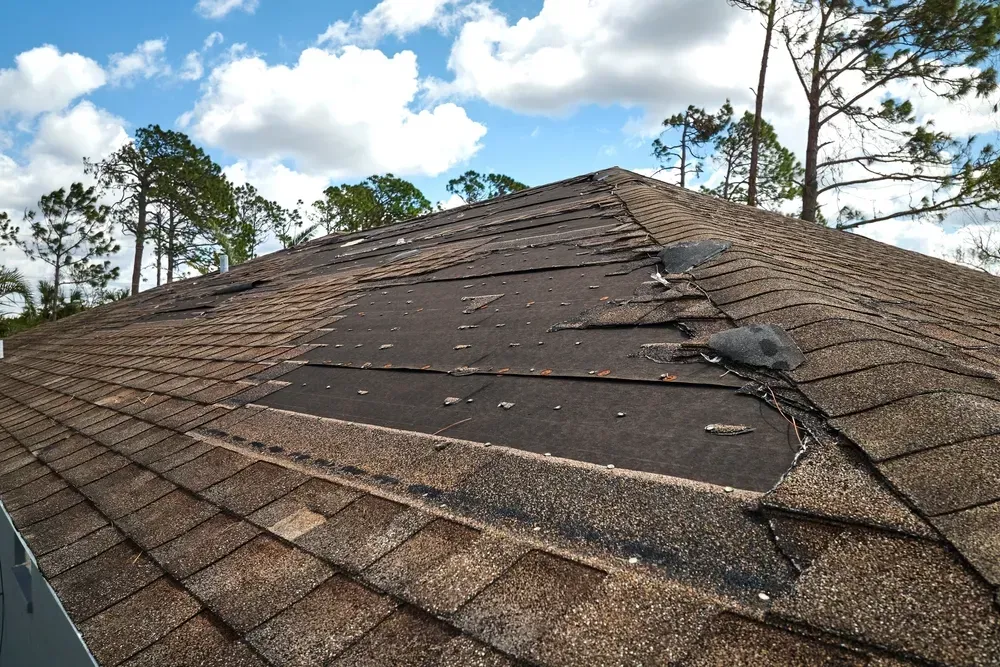
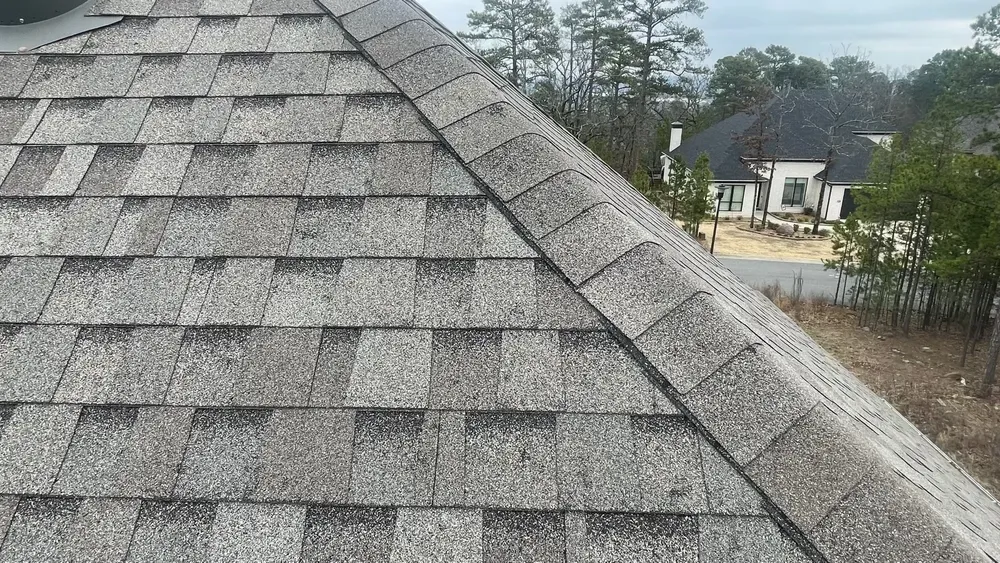
Shingles can take a direct hit. Look for missing granules, cracked corners, or dark spots. These signs mean water might be getting in where it shouldn't.


Metal Parts Can Show It First

Gutters, vents, and flashing are easier to inspect. Dents or dings in these areas often mean your shingles took a hit, too.


Your Attic Might Tell the Story

After a storm, check the attic. Light peeking through the roof or moisture signs could indicate storm damage above.


Time Helps Insurance Work for You

Spotting damage early can help with your roof claim process. The sooner you document it, the smoother the insurance filing process.


Know the Value of an Expert Eye

Not all damage is visible without climbing up there. Professional roofers know where to look and what counts as real risk. They take photos, explain what's happening, and help you understand the next steps. A thorough hail damage roof inspection can save you time and money.


Plus, getting an expert opinion strengthens your case when you file a
roof claim. Insurance companies trust licensed reports more than just phone pics. Partnering with trusted pros means no guesswork—just solid answers and a plan to fix things fast.


AMP Restoration & Roofing is Here When Storms Hit

At AMP Restoration & Roofing, we know Missouri weather doesn't play around. That's why we offer fast, reliable inspections after storms and walk you through every step. We've covered you, from spotting the damage to guiding you through the insurance process.


With years of experience, friendly service, and real attention to detail, we help protect what matters most—your home.

SCHEDULE YOUR FREE HAIL DAMAGE INSPECTION

You might also like

By Amp Roofing January 21, 2026
Measuring a roof looks easy, but it has its challenges. People often guess instead of doing the math, and that guess can cost real money during repairs or upgrades . Waste on extra shingles or short orders delays a project, leaves patchy colors, and strains the budget. This post solves that problem. You’ll learn how to calculate roof area with pitch in clear steps, pick the right tools, and check your answer with simple charts. By the end, you’ll feel confident ordering materials or speaking with a contractor. Keep reading to turn numbers into a solid roof plan. Why Roof Area Matters Roofing materials are sold by the square foot, so every square foot counts. Over-ordering raises cost, and under-ordering adds labor trips. An accurate area also lets you compare quotes with fair numbers. When you know the math, you can see if a bid pads material or labor. A true area figure can even impact insurance coverage and claims, as adjusters require proof. Gather Your Roof Data Tools Needed 100-foot tape or digital laser Sturdy ladder and shoes with grip Pitch gauge or smartphone inclinometer Notepad, pencil, and calculator Measure the Deck Sketch each roof section from the ground. Mark eaves, ridges, valleys, and hips. Measure the horizontal length and width of every rectangle or triangle. Stay on the ground when possible; use the ladder only for hard angles. Write numbers on the sketch right away to avoid confusion later. Use Basic Geometry First Start flat. Treat every roof section as if it were lying on the ground. Multiply length by width for rectangles. For triangles, multiply the base by the height and divide by two. Add all shapes together. This gives you the plan area, also called the footprint. Next, convert the plan area to square feet of covered surface. A flat roof needs no more math. Pitched roofs require an adjustment, and that’s where roof pitch degrees become crucial. Adjust for Pitch Roof pitch shows rise over run. A 6-in-12 roof rises six inches for every twelve inches of run. Builders often refer to this standard pitch for roofs on modern homes. Pitch changes the surface area because the slope is longer than the plan footprint. Convert Pitch to a Slope Factor Find your pitch with a gauge, app, or by placing a level and ruler on the roof. Turn the pitch into an angle. Use online charts that list roof pitch degrees for common ratios. For instance, a 6-in-12 equals 26.6°. Use the slope factor formula: 1 ÷ cos θ. For 26.6°, the factor is 1.12. Multiply the plan area by this factor. You now have true roof area. Check Common Pitch Scenarios “What is a 6 / 12 roof pitch?” You already saw it: a 6-inch rise over a 12-inch run, at 26.6°, with a factor of 1.12. Say your plan area is 1,800 ft². Multiply: 1,800 × 1.12 = 2,016 ft². Mention this aspect when ordering materials so suppliers know your slope. Low Pitch and Steep Pitch A roof with a pitch of less than 3-in-12 meets the low-pitch definition . These roofs shed water more slowly and need special membranes. They also have a smaller slope factor, so a plan area of 1,800 ft² with a 2-in-12 pitch (9.5°) uses a factor of 1.01, only 1,818 ft². Building codes may require enhanced underlayment any time a design falls into the low-pitch definition category. At the other end, an 11 12 pitch roof rises eleven inches per foot, angle 42.5°, factor 1.35. The same 1,800 ft² footprint becomes 2,430 ft² on the slope. Because walking on an 11 12 pitch roof borders on climbing, contractors often add safety costs to their estimates. Metal Roofing Pitch Transition Switching from shingles to metal often involves a transition from a shingle to a metal roofing pitch . Contractors may reduce the drop from 6-in-12 to 3-in-12 over a porch to match the style or improve drainage. Calculate each section separately, then add the totals. Mention metal roofing pitch transition during design so flashing and trim match both slopes. Remember that many builders treat a 6-in-12 as the standard pitch for a roof , so material quotes frequently default to that assumption. Double-Check Your Math Compare your total against satellite measurement apps. Re-measure key sections if numbers differ by more than 2 %. Ask a trusted roofer to confirm the area before ordering. Most will verify for free while preparing a quote. Accuracy here prevents waste, keeps schedules tight, and supports warranties. Roofing Expertise You Can Trust  AMP Restoration & Roofing knows roofs inside and out. Our team utilizes high-quality tools and on-site inspections to verify every square foot. We don’t guess; we prove. We then recommend materials that match your style, budget, and local building codes. The result is a roof that lasts, drains well, and boosts curb appeal. Clients stay informed at each step, from the first call to the final nail. That’s because we build the plan together, using clear numbers and easy language. Whether you’re curious about how to calculate roof area with pitch or want us to handle the job from start to finish, we’re here to help. Choose AMP Restoration and Roofing for precision and peace of mind! CONTACT US TODAY
Two-story house with gray weathered cedar siding
By Amp Roofing January 7, 2026
Discover the pros, cons, and smart alternatives to traditional wood siding. Learn why synthetic cedar shakes offer a timeless look with better durability.
Attic skylight. Asphalt Shingles House Roofing Construction with Attic Roof windows, skylights water
By Amp Roofing January 7, 2026
Thinking about replacing your skylights? Learn about the different types of skylight windows and expert tips for choosing the right replacement. See more.
More Posts

Book a Service Today