Atlas Pinnacle Pristine Shingles: A Complete Review of Colors & Features

Roof stains, fading, and curled tabs make a home look tired, especially after heavy weather. Many homeowners search for a shingle that fights these problems yet still looks sharp. They also want clear facts, not sales hype.


In this guide, you'll learn why
Atlas Pinnacle pristine shingles check those boxes. You'll see every color family, how Scotchgard stops algae, and how the shingle handles hail. You'll also get tips on cost, warranty, and hiring help. Keep reading to feel ready for your next roofing project.


What Makes Pinnacle Pristine Different

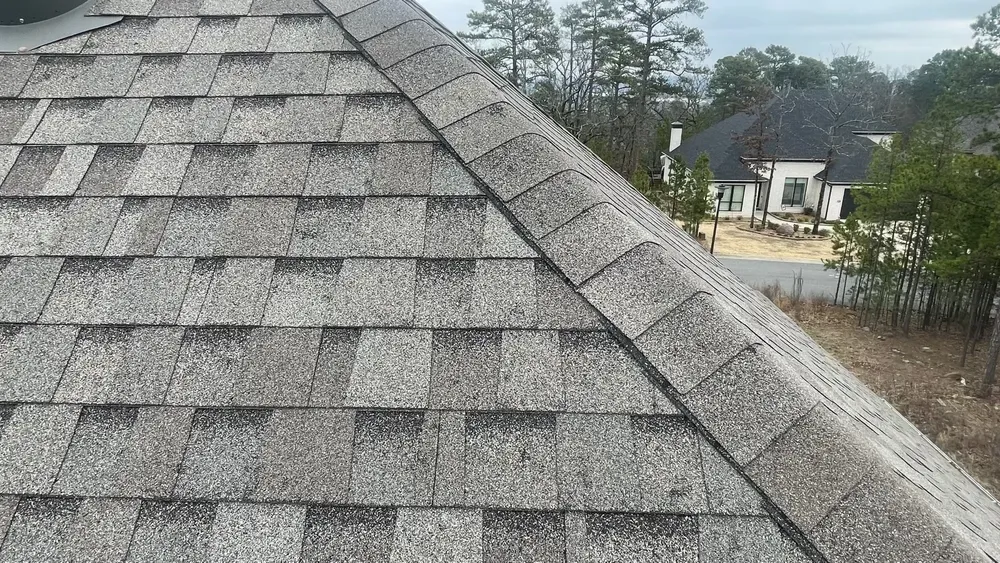
Atlas uses a high-grade asphalt blend, a wide nailing strip, and a strong fiberglass mat. This design locks each tab tight and cuts blow-offs. A 130 mph wind rating proves it in the lab and field. You can read more on our residential roofing page.


Another big feature is 3M Scotchgard. It coats granules so black algae can't cling. Your roof keeps its color for decades, not months. That fresh look raises curb appeal and resale value.


Explore the Full Palette

Color choice drives pride and value. Atlas pristine shingles offer deep tones, soft neutrals, and modern blends. Below is a closer look at the lines that keep designers happy.


Classic Neutrals

  • Atlas pinnacle colors like Weathered Wood, Coastal Granite, and Pewter Gray blend with any siding.
  • They hide dust and pollen between washes.
  • They coordinate with gutter and trim selections, giving you flexibility.

Bold Statement Hues

  • Burnt Hickory and Hearthstone mix warm reds and browns.
  • Desert Shake adds a golden touch that pairs well with stucco.

Designer Picks

  • Atlas Pinnacle colors give extra depth with dual shadow lines. The roof pops without additional cost.
  • Coastal Granite shifts from gray to blue in different light, adding flair.
  • Whichever blend you pick, the layered granules used in Atlas Pinnacle shingle colors catch the sun just right.

Signature Shades

Some colors have built a fan club of their own.


  • Atlas pinnacle pristine black shadow
    delivers a sharp, timeless charcoal. It suits white, brick, or modern metal siding.
  •  Atlas pinnacle pristine summer storm mixes cool gray and blue granules. It blends well with stone accents and coastal themes.


Both shades use the same Scotchgard layer and stay rich even in humid zones. That solves the streak problem seen on many dark roofs.


Ready for Angry Skies

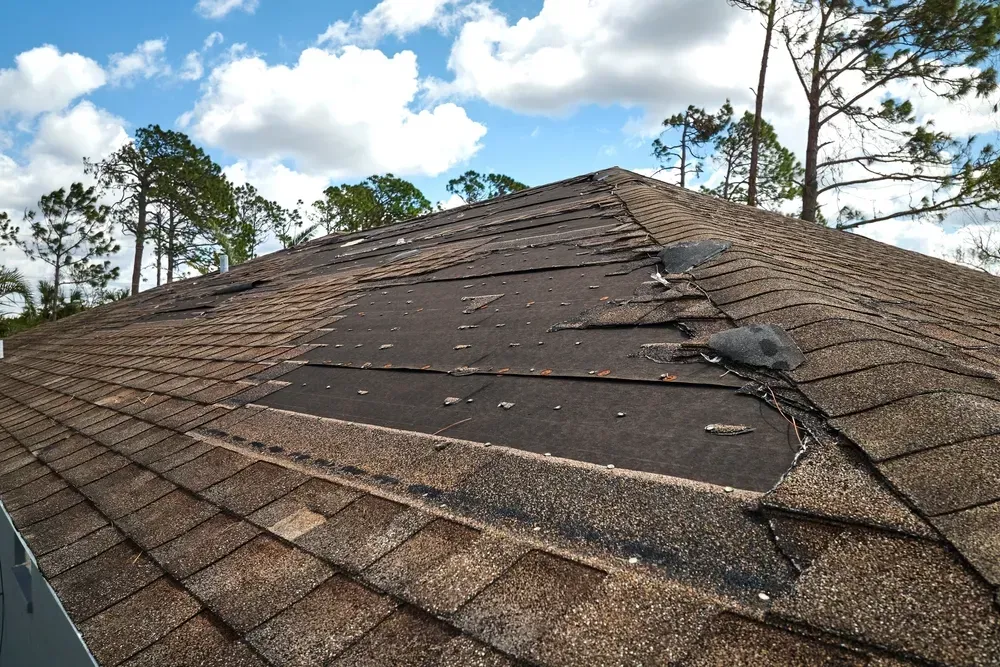
Texas hail, Gulf Coast wind, Midwest snow—each region has a threat. Atlas pinnacle impact colors add a Class 4 impact rating. A rubberized asphalt core absorbs energy, so granules stay in place after a strike. Ask us about filing an insurance claim for roofs if you face severe damage.


Cost, Warranty, and Installation Tips

Pricing runs from $125 to $160 per square, installed. That sits near high-end architectural choices but below shake and metal. A lifetime limited warranty covers material, and a 15-year "peace of mind" labor period backs certified installs. Before starting the project, consider this:


  • When you price
    Atlas Pinnacle Pristine against metal or tile, you'll see the value add without the budget shock.
  • You need a certified Atlas Pro. Check work history, proof of insurance, and local references.
  • Study roof material types to confirm shingles fit your climate.
  • After storms, document any hail damage to the roof before repairs start.

Trust AMP Restoration and Roofing

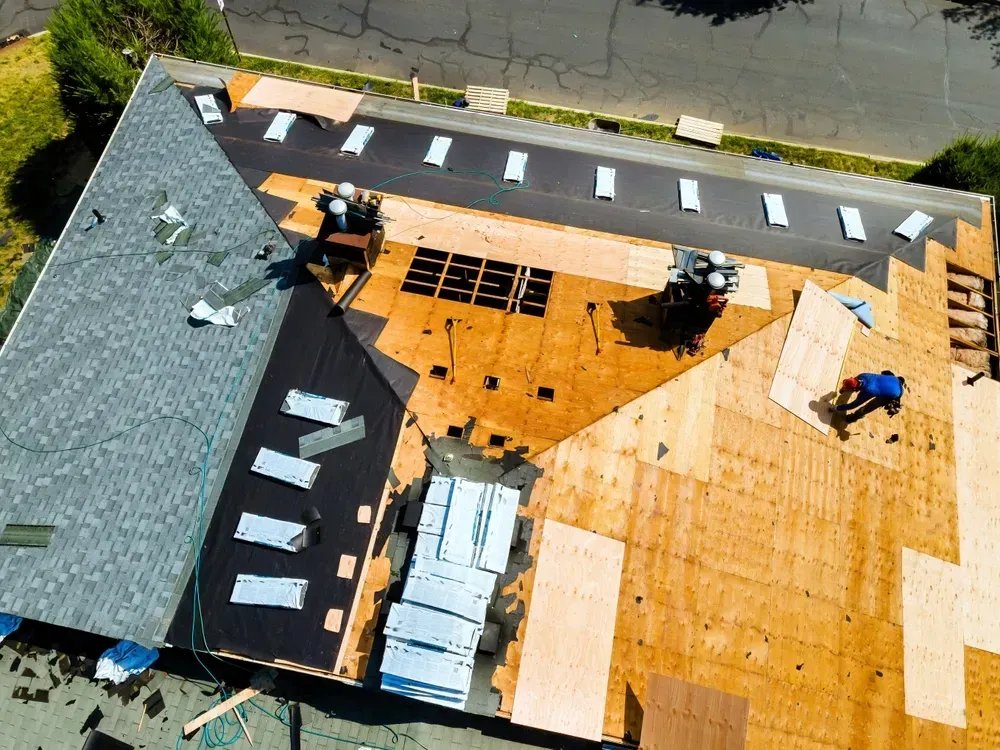
AMP Restoration and Roofing has installed thousands of Pinnacle systems across the region. We combine factory training with deep local knowledge, so every nail lands in the Sweet Spot. Our team explains each step, cleans the jobsite, and registers your warranty on day one.


We guide color choices, handle insurance talks, and plan around weather windows. From first call to final inspection, our client-first culture leads the way. Explore our photo gallery and client reviews to see the difference.

We stock every profile of Atlas Privileged Shingles, so your project will never have to wait for materials. Ready to experience the difference?


REACH OUT NOW


You might also like

By Amp Roofing January 21, 2026
Measuring a roof looks easy, but it has its challenges. People often guess instead of doing the math, and that guess can cost real money during repairs or upgrades . Waste on extra shingles or short orders delays a project, leaves patchy colors, and strains the budget. This post solves that problem. You’ll learn how to calculate roof area with pitch in clear steps, pick the right tools, and check your answer with simple charts. By the end, you’ll feel confident ordering materials or speaking with a contractor. Keep reading to turn numbers into a solid roof plan. Why Roof Area Matters Roofing materials are sold by the square foot, so every square foot counts. Over-ordering raises cost, and under-ordering adds labor trips. An accurate area also lets you compare quotes with fair numbers. When you know the math, you can see if a bid pads material or labor. A true area figure can even impact insurance coverage and claims, as adjusters require proof. Gather Your Roof Data Tools Needed 100-foot tape or digital laser Sturdy ladder and shoes with grip Pitch gauge or smartphone inclinometer Notepad, pencil, and calculator Measure the Deck Sketch each roof section from the ground. Mark eaves, ridges, valleys, and hips. Measure the horizontal length and width of every rectangle or triangle. Stay on the ground when possible; use the ladder only for hard angles. Write numbers on the sketch right away to avoid confusion later. Use Basic Geometry First Start flat. Treat every roof section as if it were lying on the ground. Multiply length by width for rectangles. For triangles, multiply the base by the height and divide by two. Add all shapes together. This gives you the plan area, also called the footprint. Next, convert the plan area to square feet of covered surface. A flat roof needs no more math. Pitched roofs require an adjustment, and that’s where roof pitch degrees become crucial. Adjust for Pitch Roof pitch shows rise over run. A 6-in-12 roof rises six inches for every twelve inches of run. Builders often refer to this standard pitch for roofs on modern homes. Pitch changes the surface area because the slope is longer than the plan footprint. Convert Pitch to a Slope Factor Find your pitch with a gauge, app, or by placing a level and ruler on the roof. Turn the pitch into an angle. Use online charts that list roof pitch degrees for common ratios. For instance, a 6-in-12 equals 26.6°. Use the slope factor formula: 1 ÷ cos θ. For 26.6°, the factor is 1.12. Multiply the plan area by this factor. You now have true roof area. Check Common Pitch Scenarios “What is a 6 / 12 roof pitch?” You already saw it: a 6-inch rise over a 12-inch run, at 26.6°, with a factor of 1.12. Say your plan area is 1,800 ft². Multiply: 1,800 × 1.12 = 2,016 ft². Mention this aspect when ordering materials so suppliers know your slope. Low Pitch and Steep Pitch A roof with a pitch of less than 3-in-12 meets the low-pitch definition . These roofs shed water more slowly and need special membranes. They also have a smaller slope factor, so a plan area of 1,800 ft² with a 2-in-12 pitch (9.5°) uses a factor of 1.01, only 1,818 ft². Building codes may require enhanced underlayment any time a design falls into the low-pitch definition category. At the other end, an 11 12 pitch roof rises eleven inches per foot, angle 42.5°, factor 1.35. The same 1,800 ft² footprint becomes 2,430 ft² on the slope. Because walking on an 11 12 pitch roof borders on climbing, contractors often add safety costs to their estimates. Metal Roofing Pitch Transition Switching from shingles to metal often involves a transition from a shingle to a metal roofing pitch . Contractors may reduce the drop from 6-in-12 to 3-in-12 over a porch to match the style or improve drainage. Calculate each section separately, then add the totals. Mention metal roofing pitch transition during design so flashing and trim match both slopes. Remember that many builders treat a 6-in-12 as the standard pitch for a roof , so material quotes frequently default to that assumption. Double-Check Your Math Compare your total against satellite measurement apps. Re-measure key sections if numbers differ by more than 2 %. Ask a trusted roofer to confirm the area before ordering. Most will verify for free while preparing a quote. Accuracy here prevents waste, keeps schedules tight, and supports warranties. Roofing Expertise You Can Trust  AMP Restoration & Roofing knows roofs inside and out. Our team utilizes high-quality tools and on-site inspections to verify every square foot. We don’t guess; we prove. We then recommend materials that match your style, budget, and local building codes. The result is a roof that lasts, drains well, and boosts curb appeal. Clients stay informed at each step, from the first call to the final nail. That’s because we build the plan together, using clear numbers and easy language. Whether you’re curious about how to calculate roof area with pitch or want us to handle the job from start to finish, we’re here to help. Choose AMP Restoration and Roofing for precision and peace of mind! CONTACT US TODAY
Two-story house with gray weathered cedar siding
By Amp Roofing January 7, 2026
Discover the pros, cons, and smart alternatives to traditional wood siding. Learn why synthetic cedar shakes offer a timeless look with better durability.
Attic skylight. Asphalt Shingles House Roofing Construction with Attic Roof windows, skylights water
By Amp Roofing January 7, 2026
Thinking about replacing your skylights? Learn about the different types of skylight windows and expert tips for choosing the right replacement. See more.
More Posts

Book a Service Today